PHOTOGRAPH: CHEMAINUS mill was a source of steady work
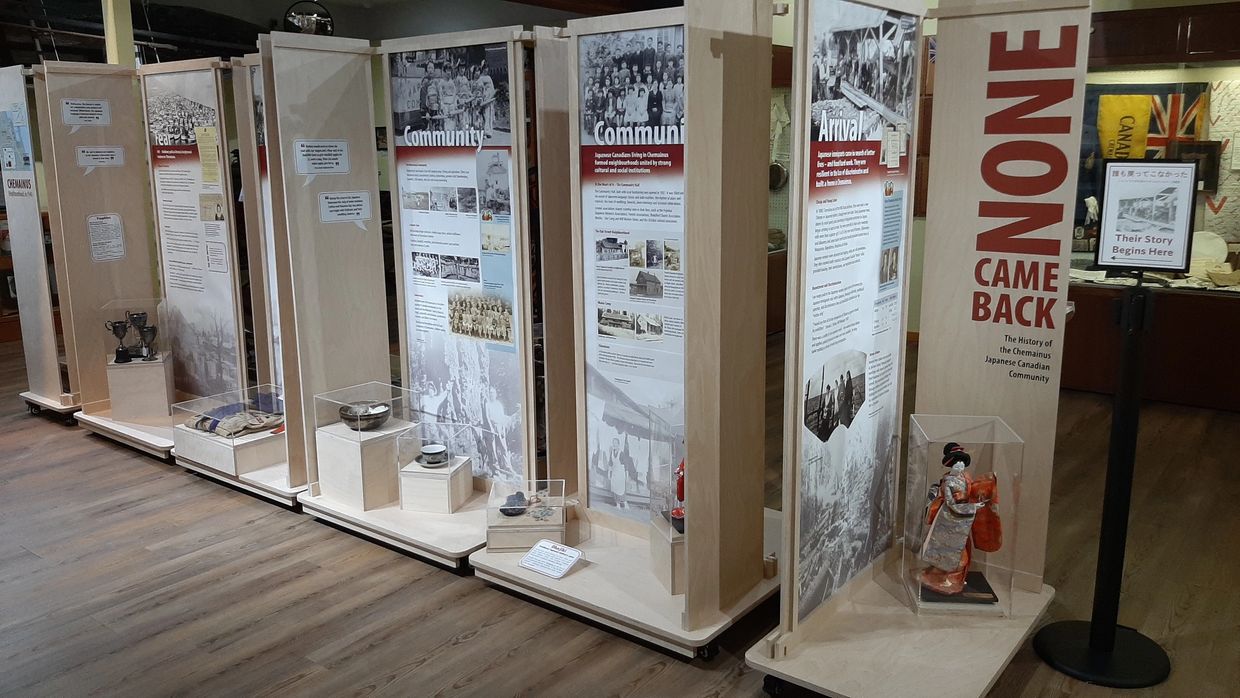
None Came Back is a major exhibition that presents the story of Japanese Canadians who once called Chemainus home. It explores how international, national and local events affected the lives of Japanese Canadians and changed the community forever.
Presented in 10 panels, the exposition begins with the early arrival of Japanese Canadians and the establishment of vibrant neighbourhoods. The exhibition does not shy away from exploring the barriers in the community created by social prejudices and unequal civic rights. The uprooting, internment, and dispossession of Japanese Canadians during World War II is covered by presenting how individual Japanese Canadians were affected. The exhibition addresses the question of why no one came back to Chemainus at the end of the war and encourages reflection about this chapter in the history of the community.
The early Japanese immigrants were young men in their late teens and 20s who found work in the mines, lumber camps, and farms in the Cowichan Valley and at Chemainus. They were paid less than “white’ labourers and faced social discrimination.

PHOTOGRAPH: ONE OF THE FOUR BASEBALL GROUPS OF THE DAY
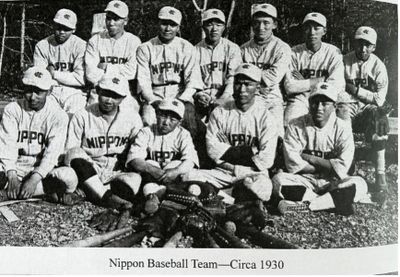
As families were established Japanese Canadians settled in communities where steady work, services and schools were available. In Chemainus, they formed neighbourhoods united by strong cultural and social institutions. Over time, with children going to school and a common interest in baseball and other community events, Chemainus was slowly coming together.
All was turned upside down by the outbreak of World War II as fear and political manipulation fanned social prejudices. Japanese Canadians were uprooted and sent to internment camps: their homes and possessions seized and sold. At wars end they were given a choice, move east of the Rocky Mountains or be exiled to Japan. They were only permitted to move freely in Canada in 1949. Their jobs gone, their possessions sold and the welcome mat withdrawn, none came back to Chemainus.
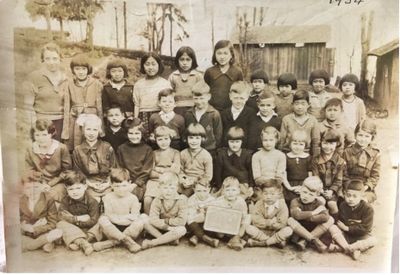
PHOTOGRAPH: Chemainus elementary class 1934
A special feature of the exhibition is a display created by the grade 7 class of the Chemainus high school. The history of the Japanese Canadians of Chemainus was covered during the humanities class, and the students were asked to create a project that represented what they had learned. Some of these projects are on display at the museum and at the Chemainus library.
The exhibition offers some reflections on the lessons of this history and you are encouraged to add your comments and thoughts as you finish viewing the exhibition.